HERO SECTION
Service dog skills. Real-world support. Heart-centred guidance.
Helping individuals train their own assistance and therapy dogs through structured, ethical, and experience-led programs.
What is Heart Dogs Australia?
Heart Dogs Australia is a structured training and support program designed to help individuals train their own assistance or therapy dogs.
Led by an experienced trainer with over 25 years in the animal industry, the program combines practical training, behavioural understanding, and real-world application to create reliable, capable working dog teams.
Who this program is for?
This program is designed for individuals who require the support of an assistance or therapy dog and are committed to being actively involved in the training process.
We work with both the handler and the dog, building a partnership based on communication, trust, and consistency.
Assistance(Service) Dogs vs Therapy Dogs — What’s the difference?
While both service dogs and therapy dogs provide valuable support, they have different roles, training pathways, and public access rights.
Service Dogs (Assistance Dogs):
These dogs are trained to perform specific tasks that directly support an individual’s disability.
They are trained to a high standard for public access and must remain focused and responsive in a wide range of environments.
Examples of tasks may include:
- Medical alert or response
- Retrieval tasks
- Mobility support
- Interruption of behaviours
Service dogs are legally recognised and may be permitted in public spaces where pets are not allowed, provided they meet required standards.
A structured pathway, not guesswork
Heart Dogs Australia follows recognised international best practices, including the guidelines and standards set by Assistance Dogs International (ADI), to ensure safe, ethical, and effective training outcomes.
This includes:
- Temperament and suitability assessment
- Obedience and behavioural foundation (CGC standards)
- Task-specific training
- Public access preparation
- Ongoing support and evaluation
Every team progresses through defined stages, ensuring safety, reliability, and real-world readiness.
Experience you can trust
Heart Dogs Australia is led by Lisa Hansen, Senior Trainer and Program Director.
With over 25 years of experience in veterinary nursing, animal behaviour, and training, Lisa has developed comprehensive programs for therapy and service dogs, alongside years of community-based obedience training and shelter management.
Her qualifications include multiple diplomas in canine behaviour, communication, animal-assisted therapy, and educational psychology, supported by extensive certifications in training, nutrition, and behaviour.
Why this matters?
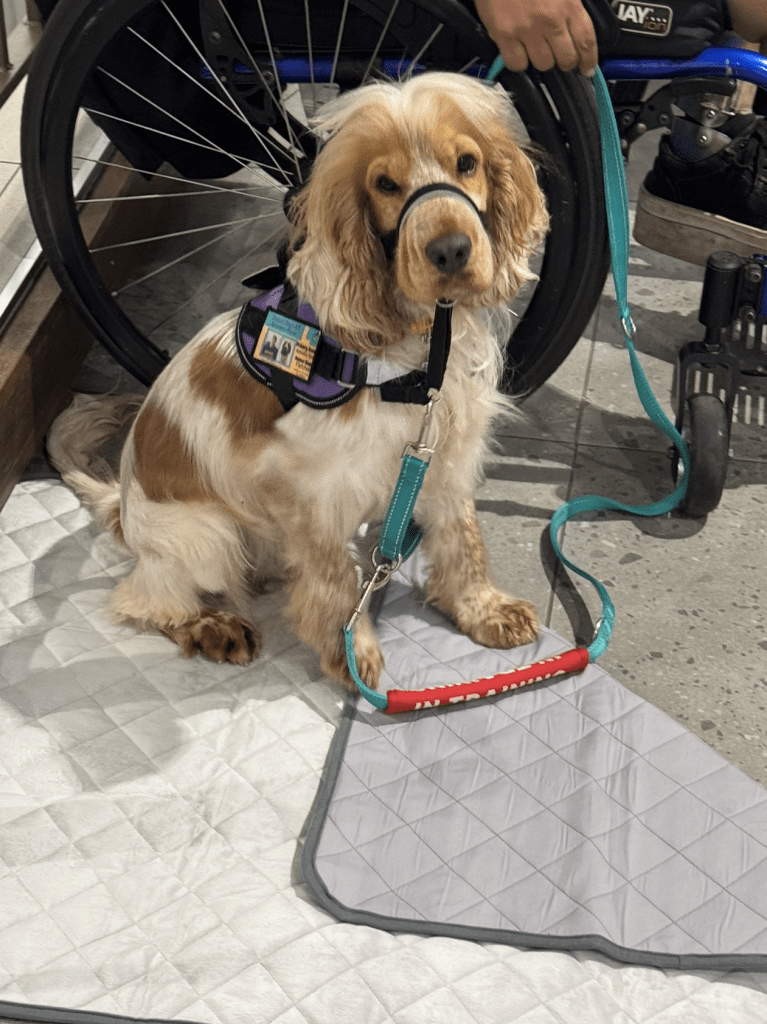
A well-trained assistance or therapy dog can change a person’s life—providing independence, stability, and confidence in everyday situations.
Without proper structure and guidance, outcomes can be inconsistent or unsafe.
Heart Dogs Australia exists to bridge that gap—offering a pathway that is ethical, supportive, and grounded in real experience.
More than training
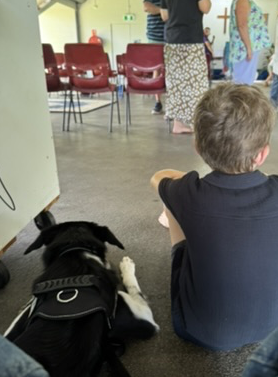
Heart Dogs is also a community.
Through workshops, group training, and ongoing mentorship, handlers are supported throughout their journey—not just trained and left on their own.
What our Clients Say
“Lisa has been an absolute lifesaver. We were struggling with our dog’s anxiety and reactivity, and as first-time dog owners, we felt overwhelmed.
In just a couple of months, we’ve seen a significant transformation—our dog is calmer, more responsive, and we feel more confident and independent.
The support, understanding, and personalised approach have made all the difference.”
— Tina Lambert
“Meeting the team at Heart Dogs NT has meant the world to me. It has been a lifeline and a reason to keep going.
After being let down so many times, having consistent support, genuine care, and knowledgeable guidance has made all the difference.”
— Michelle Oxlee
Get involved
Whether you’re looking for support, want to apply for the program, or would like to contribute to helping others access assistance dogs, there are many ways to be part of Heart Dogs Australia.
 heartdogsaustralia.org.au